


Russian rock was shaped by the now-classic rock bands of the late Soviet era. Operating underground and within the increasingly permissive environment of Soviet rock clubs, these bands blended Western and local influences.
The artists of Russia’s “wild 90s” continued these traditions after the fall of the USSR. Some of the groups considered below had formed earlier, but all had their stars rise in the 1990s, years now remembered for instability and economic hardship. However, many also look back on the decade with nostalgia for the remarkable culture it produced.
Note: Band names are sometimes translated and sometimes transliterated, depending on the forms the bands themselves have typically used in each language.
A Brief History of Post-Soviet Music
The Soviet collapse brought down many of the institutions that had long controlled economic and cultural production. Supply chains collapsed, causing severe economic shortages and skyrocketing hyperinflation. Weakening law enforcement and financial instability added to the social chaos. Hardship, crime, and mass emigration became defining features of the 1990s.
Newer western influences such as grunge and rap found fertile ground in this bleak but suddenly freer environment, blending with existing Russian musical traditions. Many popular bands drew on literature, history, mythology, and popular culture for their song themes and even group names. Lyrics often reflected Russia’s long poetic traditions through dense metaphor, symbolism, and wordplay. As before the Soviet collapse, politics played a relatively small role in much of the music. While socially active bands existed in the 1990s, most music from the era concentrated on relationships, alienation, fantasy, and everyday life.
Post-Soviet Music in Production
The music industry rapidly changed as private record companies emerged.
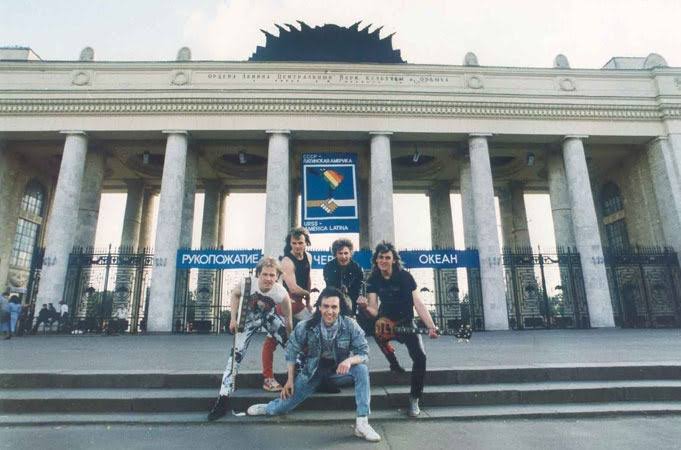
SNC Records, for instance, grew out of an underground recording studio in Moscow’s Gorky Park. In 1990, its founder, artist Stas Namin, registered the venture as a legitimate business. The label signed major names from the late Soviet era, including Auktyon, and represented newer rock bands such as Splean (see below). Later, it also became associated with groundbreaking Russian hip-hop, including Centr.
Moroz Records, another example, started as a concert organizer founded in the waning days of perestroika, when the USSR welcomed limited private business. They would eventually go into recording and distribution, taking on much of the catalogues for Soviet classic artists like Nautilus Pompilius, Alisa, and Kino.
Feelee Records, meanwhile, focused on the alternative scene, managing music by the late Soviet folk-ska group Nol and classic rock band Voskresenie. It later worked with experimental group Tequilajazzz and expanded to other post-Soviet acts, including Moldova’s Zdob și Zdub.
International companies including PolyGram, EMI, Sony, and BMG also established a presence in Russia in the early 1990s through local partnerships, licensing agreements, and distribution deals. These arrangements expanded access to legal Western music and gave Russian artists new recording and distribution opportunities. International interest also encouraged many bands to pursue audiences abroad through English-language albums and international tours. Few, however, achieved significant success beyond the Russian-speaking diasporas in the West.
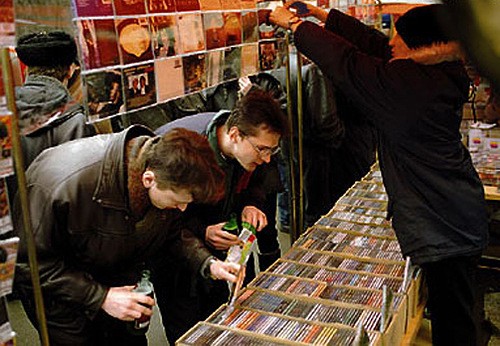
Piracy posed a major problem for record companies and artists throughout the 90s. Extensive piracy operations produced illegal copies of Russian and international music, movies, and software, which were widely and openly sold in kiosks and markets across Russia. Nationwide efforts to combat piracy gained momentum only in the 2000s.
Meanwhile, Melodiya, the USSR’s former state recording monopoly, remained state-owned until 2020. The company struggled after the Soviet collapse, partly because its main product, vinyl records, was rapidly losing ground to cassettes and compact discs. Much of its production infrastructure was sold or repurposed, and the company increasingly operated as an archive for its vast collection of Soviet recordings while suffering years of financial distress. When the state finally privatized the company, it sold for just $5 million, prompting concerns among preservationists about the future of its musical heritage.
Rock-Related Russian Media after the USSR
How people discovered music also changed as commercial infrastructure spread. Radio MAXIMUM launched in 1991 as a Russian-American joint venture, with New York-based Westwood One among its principal investors. One of Russia’s first commercial radio stations, it became known for mixing Russian and Western pop and rock. Its MAXIDROM festival, launched in 1995, became an important platform for Russian bands, serving a role reminiscent of Soviet-sponsored music festivals. Today, the station is wholly owned by Russia-based Russian Media Group.
Nashe Radio launched in late 1998 with backing from Russian media oligarch Boris Berezovsky. Dedicated to Russian rock, it became an important platform for introducing new bands and keeping established groups on the airwaves. Today, it is owned by media mogul Vitaly Bogdanov.
Music television became popular in Russia much as it did in the West. Muz TV, founded in Moscow, began broadcasting in 1996, featuring popular music from Russia and abroad. MTV Russia followed in 1998, featuring Mumiy Troll’s “Vladivostok 2000” as its first music video. The Russian version of the American channel maintained a strong focus on rock, including Russian rock, alongside other genres and entertainment programming. MTV Russia shifted to a pay channel in 2013 and withdrew from the Russian market and wider CIS following the start of the Russia-Ukraine War in 2022.
Rock and pop culture magazines flourished during the 1990s. Founded in St. Petersburg in 1991, Fuzz, for instance, became a dedicated source of news, interviews, criticism, and information about Russian and foreign rock. It remained active until 2017, eventually moving fully online. Matador, which began as a television program before becoming a magazine, helped shape a new, edgy yet sophisticated cultural press that covered music alongside film, art, and fashion.
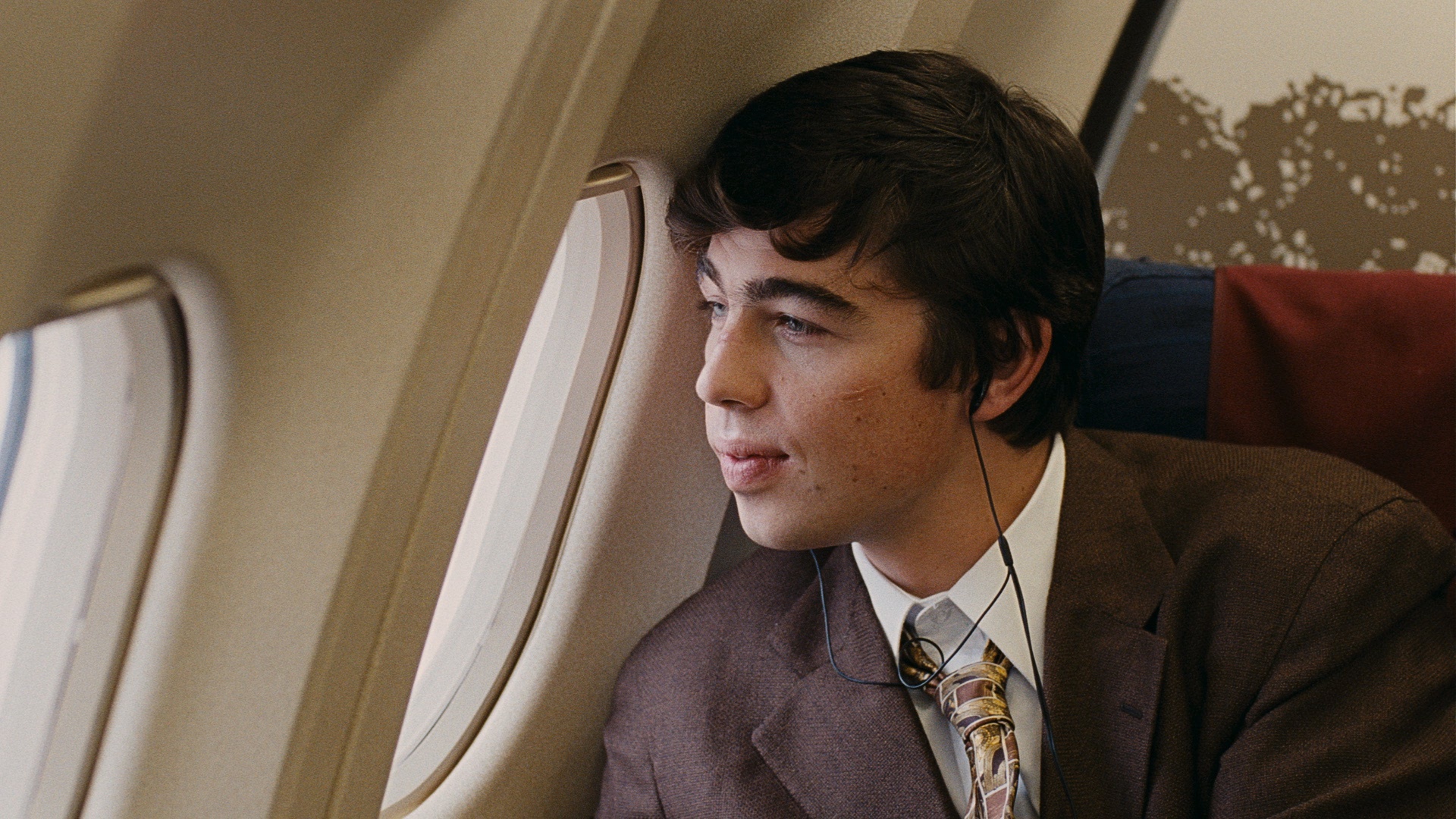
No discussion of Russian rock in the 1990s can be complete without mentioning Aleksei Balabanov‘s Brother (1997) and especially Brother 2 (2000). Both movies were highly influential in promoting bands and sounds. Their soundtracks became cultural artifacts in their own rights and helped turn songs by bands such as Bi-2 and Smyslovye Gallyutsinatsii into national hits and effectively presented post-Soviet rock as the soundtrack of the 1990s generation.
After the 90s
By 2003, Russia’s economy had recovered substantially from the financial crises of the 1990s. Oil revenues were rising and political power was increasingly centralized under Vladimir Putin.
Many bands that scored their first national hits in the 1990s have continued recording and touring to the present day, as new styles and artists have emerged alongside them. Digital distribution would transform the industry once again, but the culture of the 1990s proved remarkably durable.
The start of the war in Ukraine in 2022 created a new and unusually sharp division within the industry. Many musicians who publicly opposed the war soon left Russia or found themselves unable to perform there, although exceptions exist. Musicians who remained in Russia have largely either openly supported the war or maintained public silence on the issue.
Today, Russian rock remains active but is increasingly divided politically and geographically between musicians in the diaspora and those who remain in Russia.
Agata Kristi
Агата Кристи
Intro by Alexandra Rosenthal
Agata Kristi (Агата Кристи) recorded 13 albums over nearly thirty years together. Their blend of glam rock and post-punk with hints of gothic horror was a breakthrough example of a rock style that would become common in Russia’s 1990s.
Founder Vadim Samoylov formed VIA RTF UPI (Vocal-instrumental Ensemble of the Radio Engineering Faculty of the Ural Polytechnic Institute) while studying at the band’s namesake. The “VIA” indicates that they were an “official” band registered with the state. However, the three albums released under this name were all released as magnitizdat: If (Если) in 1985, Voice (Голос) in 1986, and Light (Свет) in 1987. Many elements of their signature style can already be heard in these works.
In 1987, Alexander Kozlov, the keyboardist, suggested that “Agata Kristi,” after the novelist, would be a catchier name. Vadim Somoylov later hypothesized that Kozlov chose the name to match his initials, “AK,” also stating that Kozlov actually disliked Christie’s novels. The name stuck, perhaps as its air of mystery harmonizes with their gothic sound and ethereal lyrics.
Their first concert as Agata Kristi was held in 1988 in the assembly hall of the Ural Polytechnic Institute. Gleb Samoylov, the younger brother of Vadim, made his debut on bass as they played songs from a new, more experimental album, Second Front (Второй Фронт), to an audience of 200.
By the time of 1989’s Intrigue and Love (Коварство и Любовь), Agata Kristi was performing at major festivals, at home and abroad and gaining airplay on both television and radio. Two years later, Decadence (Декаданс), a concept album, attempted to describe a mind drowned in depression, fear, and neuroses, an early example of exploring motives and inner thoughts that would often appear in the group’s music.
Shameful Star (Позорная звезда) launched the group to superstardom in 1993. It included “As if at War” (“Как на войне”), about a very troubled relationship and one of their biggest hits ever. Also of note is “I Will Be There” (“Я буду там”), which became a common concert concluder for the band.
Their 1995 followup, Opium (Опиум), proved even more successful. Although disliked by some fans for its strong electronic elements and polished production, it was named album of the year by Rock-Fuzz magazine and spawned several hit songs. Its most popular, “Opium for No One” (“Опиум для никого”) (a play on the Marxist phrase “opiate of the masses”), is a satirical take on the decadence and darkness of the rock-music world. “Fairytale Taiga” (“Сказачная тайга”), a dark re-arrangement of the comic song “The January Blizzard is Ringing” (“Звенит январская вьюга“) from the Soviet film Ivan Vasilyevich Changes Profession, was also an instant hit. Other major album hits were “Black Moon” (“Чёрная луна”) and “Eternal Love” (“Вечная любовь”).
By this time, the Somoylov brothers were heavily involved with drugs. At the same time, their songs became more introspective and self-conscious about leading a meaningful life and reconciling oneself to one’s surrounding and often troubled reality. The biggest hits of 1997’s Hurricane (Ураган) were “Sailor” (“Моряк”), about how no amount of earthly pleasures can save someone from death, and “Two Boats” (“Два коробля”), about feeling directionless in a world that seems senseless and without guidance.
The following year, they released Miracles (Чудеса), which featured “Helicopter Carpet” (“Ковер-вертолет”). Accused of promoting drugs with the chorus “we fly, and you crawl, you weirdos,” they insisted that it was about a conversation they had with their mother about what the ability to fly would feel like. The recklessness described in the song, they said, was meant to be whimsical. The song is dedicated to their mother.
Mein Kaif? (Майн кайф?), a 2000 concept album, takes its title from Hitler’s Mein Kampf and a Russian word that refers to a drug high. The entire album follows a young man’s journey as he is swallowed by fascism. The lead single from the album, “Secret” (“Секрет”) was featured on the Brother 2 (Брат 2) soundtrack.
In 2001, Alexander Kozlov died of a heart attack at 40. Known as Agata Kristi’s sober, organized member, the band never fully recovered. Although they released Thriller Pt. 1 (Триллер часть 1) in 2004, part 2 was never to be. By 2009, the musicians announced that they would go their separate ways. They released one final album, Epilogue (Эпилог), and went on a farewell tour, holding their last concert the following year.
The Somoylov brothers both got clean and continued their musical careers. Vadim and Gleb, however, fought bitterly over rights and royalties, a feud intensified by a growing political rift between the two. Vadim became a staunch and well-connected government supporter and Gleb increasingly gravitated toward the opposition. While Gleb continues to maintain a residence in Russia, he tours exclusively abroad with his new band, The Matrixx.
Chaif
Чайф
Intro by Josh Wilson
Chaif (Чайф) plays rock influenced by reggae, punk, and folk. The name combines chai (чай), Russian for “tea,” and kaif (кайф), Russian slang for bliss or a “high.” They are known for playful, melancholy, poignant, and sincere songs that often comment on contemporary events, making much of their music a nostalgic soundtrack for both good times and bad.
Frontman Vladimir Shakhrin and Vladimir Begunov began forming Chaif in their hometown of Sverdlovsk (present-day Yekaterinburg) in 1984. Their first two albums, 1985’s Life in a Pink Smoke (Жизнь в розовом дыму) and 1986’s Saturday Evening in Sverdlovsk (Субботним вечером в Свердловске), were released as magnitizdat.
Their early songs were locally popular. However, their most consequential early hit, 1986’s “Orange Mood” (“Оранжевое настроение”), was not recorded and released until 1994, on an album of the same name. Borrowing from a beloved Soviet children’s song, this anthem is sung from the point of view of an average working class guy enjoying his day off. After its first performance at the first Sverdlovsk Rock Club Festival, fans began wearing orange at Chaif concerts. The song remains a concert staple and had its most popular version released in 2019, under COVID, with a music video that shows what is apparently the entirety of Russia joining together to sing it.
Chaif’s earliest major recorded hit, “Free Wind” (“Вольный ветер”), was released on their first official studio album, Dermontin (Дерьмонтин), in 1987. The song mocks the popularity of foreign culture that was sweeping Russia in the late Soviet period. The album title itself also mocks the artificiality that was permeating Soviet society at the time, combining Russian words for fake leather and “crap.” Another early recorded hit, “Cry for Him” (“Поплачь о нём”), released on the 1989 studio album No Big Deal (Не беда), is a bittersweet appeal to forgive and love people, especially in an unpredictable world where time is short.
With Let’s Go Back (Давай вернёмся), released in 1992, the band had its national breakthrough. It included what remains their biggest hit, “No One Will Hear You (Oy-yo)” (“Никто не услышит (Ой-йо)”), an anthem for those who felt alone and confused while society collapsed around them at the tail end of the USSR. Another major hit, “From the War” (С войны), tells of a man returning from war to find that his love has left him and society rejects him, a situation that many returning from the Afghan War at the time found themselves in.
The band’s next albums contained a string of radio hits. The Fourth Chair (Четвёртый стул), released in 1991, featured “Everything in Its Time” (“Всему своё время”), sung with Nastya Poleva, another popular 1990s singer. Children of the Hills (Дети гор) offered “Don’t Rush” (“Не спеши”) in 1993, another song about appreciating the moment. The next year saw a massive hit with “17 Years” (17 лет), a love song about Shakhrin’s wife, on the 1995 album May Everything Be As You Like (Пусть всё будет так, как ты захочешь!).
The pattern continued with “Not With Me” (“Не со мной”), a classic breakup song featured on 1996’s The Real World (Реальный мир), and then 1999’s hit album Shekagali (Шекогали), named for two popular 1960s dances: the “Shake” (шейк) and “Hali-Gali” (хали-гали). It featured hits including “In Her Eyes” (“В её глазах”) and “Argentina-Jamaica 5:0” (“Аргентина-Ямайка 5:0”), about Jamaica’s 1998 World Cup loss to Argentina. With heavy reggae influences, the song encourages Jamaicans to accept both their tears and their opponent’s victory with grace.
Over the years, Chaif has remained a radio presence. In 2019, they released one of their most successful albums to date, Words on Paper (Слова на бумаге). It featured “What We Did Last Year” (“Что мы делали в прошедшем году”), which skewers modern cell-phone culture, “All Bond’s Girls” (“Все девушки Бонда”), which warns women about men who seem to promise everything, and “Halloween” (“Хэллоуин”), with Irish folk and gospel influences, about being ordinary while wanting to be famous. Around the same time, the band also produced “The Deck” (“Палуба”), Shakhrin’s rendition of a well-known Soviet song his father loved (released with a video that celebrates fatherhood), and a new version of Chaif’s own “Dogs from the City Suburbs” (“Псы с городских окраин”) made in collaboration with Russian rap artist Mawashi.
Chaif and its members have participated in cultural initiatives supporting the integration of Crimea with Russia. They have also worked to raise material support to Russian troops since 2022. Vladimir Shakhrin has been sanctioned by Ukraine and the EU, and the band has been largely confined to Russia and Belarus since.
Today, Chaif is based in Yekaterinburg, Russia. Their most recent album, Like This (Вот так) was released in 2025.
Mumiy Troll
Мумий Тролль
Intro by Kyle Reese
Mumiy Troll was formed in Russia’s far eastern coastal city of Vladivostok in 1983, but reached the national stage only in the mid-1990s. Taking its name from the Moomin children’s book series, which was wildly popular in the late USSR, the group mixes electronic, pop, rock, and punk with frequent allusions to their hometown. Charismatic frontman Ilya Lagutenko has led the band for decades, providing a distinctive, elastic voice and highly expressive face that often seems to portray a happy psychopath. Lagutenko writes most of the band’s narrative yet ambiguous or absurdist lyrics, which are frequently infused with sensuality and/or violence.
The band’s first two albums circulated as magnitizdat. Now rare collectibles, the first, New April Moon (Новая луна апреля), appeared in 1985 and the second, Make a U U (Делай Ю-Ю), in 1990. Both are roughly produced mixes of new wave, post-punk, and early synth-pop, making heavy use of irony and humor.
Lagutenko then spent time in the navy and, after being discharged, in London. He eventually returned to Vladivostok, however, reunited the band and, with their highly successful 1997 studio album Marine (Морская), Mumiy Troll finally broke nationally. Sounding unlike anything else of its time, the album produced several hits. Some songs, like “New April Moon” (“Новая луна апреля”), were reworkings of older material. The biggest hits, however, including “Flow Away” (“Утекай”), “Girl” (“Девочка”), and “Fun” (“Забавы”) were new, as was “Vladivostok 2000” (“Владивосток 2000”), their first megahit. All mix fun, danceable tunes with Lagutenko’s reckless, flirtatious voice.
Flush with excitement, they rushed to record a follow-up, Caviar (Икра), released later the same year. It continued the sound of Marine and contained hits such as “Dolphins” (“Дельфины”), though Lagutenko later regretted not spending more time developing it. Shamora (Шамора), a 24-song collection of re-recorded older material, followed in 1998, giving songs like “Alien Guest” (“Инопланетный гость”) a new life.
By the time that Aloe Like Mercury (Точно ртуть алоэ) released in 2000, the band had incorporated enough pop and electronic dance that some hits, like “Carnaval.net” (“Карнавала.нет”) and “My Singer” (“Моя Певица”) were picked up by pop stations while more rock-inspired songs like “Bride?” (“Невеста?”) remained on rock stations. This greatly expanded the band’s reach.
The hits kept coming with Memurs (Меамуры) in 2002, with the ambiguously sensual “It’s for Love” (“Это по любви”) and the psychedelically nonsensical “Good Morning, Planet!” (“Доброе утро, Планета!”). The Book Thieves (Похитители Книг), recorded as a soundtrack for a movie of the same name, contained the wildly popular, danceable “Big Dipper” (“Медведица”) as well as the dreamy, highly atmospheric “Such Girls” (“Такие девчонки”).
The band’s next two albums, Mergers and Acquisitions (Слияние и Поглощение) and Amba (Амба) marked a shift to a darker, harder rock sound. They performed well, with hits like “Bermuda” (“Бермуды”), but would be dwarfed by their eighth studio album, titled simply “8,” released in 2008 and offering two rock megahits: “Contraband” “Контрабанды” and “Science Fiction” “Фантастика.”
Mumiy Troll continued to release an album every one to two years until 2020, when they released both After Evil (После зла) and Ghosts of Tomorrow (Prizraki Zavtra). The title song of the latter became the theme music for the hit television series Vampires of Central Russia (Вампиры средней полосы). Over their more than four-decade history, the group released 17 albums (including three in English) and they or Lugatenko have been featured on more than 30 soundtracks. They have done numerous popular collaborations with artists like Skriptonite, Zemfira, Filatov & Karas, and Danya Milokhin. Lugatenko has also found time to coauthor a sci-fi novel (and later release it as a free 5-part audiobook), act in the cult classic Night Watch, and voice Master Monkey in Kung Fu Panda and the villainous Sea Crab in Moana for their Russian-language releases.
Mumiy Troll has also been deeply embedded in social issues. They have promoted their hometown through songs, videos, and businesses, including a Moscow restaurant called Vladivostok specializing in seafood from the region. They have participated in events supporting the Amur tiger, an endangered species native to Russia’s Far East. They have also addressed more controversial issues, using “Without Kissing” (“Не целуясь”) to promote acceptance of people living with HIV.
Following Russia’s invasion of Ukraine in 2022, Mumiy Troll cancelled their concerts in Russia and put statements opposing the war on their website. Lagutenko and his family reportedly still own property in the Moscow region and in Vladivostok, but are now based primarily in London and Los Angeles. The last fully new music the band released was 2022’s “Smelt” (“Корюшка”), a collaboration with fellow Vladivostok band hehehe.
Splean
Сплин
Intro by Thomas Haws
Formed in Saint Petersburg in 1994, Splean (Сплин) sings songs that are often full of cultural references and dig into melancholy, angst, and depression while remaining catchy and good-humored. Over more than three decades, the band has released sixteen studio albums.
Founded by Alexander Vasilyev, the principal lyricist, vocalist, and guitarist, alongside bassist Alexander Morozov, the band recorded their first album, Dusty Fact (Пыльная быль), on a shoestring budget at a theater where they worked. Released in 1994, the album mixes acoustic rock, ballads, and psychedelic influences. “Victim of Melting Ice” (“Жертва талого льда”) and “Fairy Tale” (“Сказка”), both influenced by Slavic folk, reached local radio. “Under the Silence” (“Под сурдинку”) sets a poem by Silver Age poet Sasha Cherny to rock music. Its reference to being consumed by one’s spleen gave the band its name; in early medicine, the spleen was thought to be the source of melancholy and bad tempers; the unusual spelling is a reference to the Beatles.
The band’s second album, The Weapons Collector (Коллекционер оружия), released in 1996, featured more professionally recorded versions of “Victim” and “Fairy Tale,” along with new songs such as “Be My Shadow” (“Будь моей тенью”). Their next album, Black Eye (Фонарь под глазом), featured the tragic “Bonnie and Clyde” (“Бонни и Клайд”) and the hilarious “Anglo-Russian Dictionary” (“Англо-русский словарь”), which pairs Russian descriptions of life situations with English words to define them. In the mid-1990s, when young Russians were widely learning English, its humor helped make it a radio hit.
In 1998, Splean’s fourth and breakthrough Pomegranate Album (Гранатовый альбом) shifted toward a more polished rock aesthetic. It contained their signature hit, “No Exit” (“Выхода нет”), which uses metro tunnels and stalled movement to express existential paralysis. “Sugar-Free Orbit” (“Орбит без сахара”), another major hit, captures teenage angst through fast-paced pop-culture references mixed with mundanity, depression, and anger. These songs became anthems for a generation navigating a decade of uncertainty and rapid social change.
Splean’s 1999 followup Altavista (Альтависта), although a solid album, would be completely outshone by 2001’s polished and cinematic 25th Frame (25-й кадр). Among that album’s major hits was “My Heart” (“Моё сердце”), written for Alexander Vasilyev’s wife and pairing emotional vulnerability with carefree music. Also featured were the dark “Lifeline” (“Линия жизни”), featured on the Brother 2 soundtrack, and “We Stay the Winter” (“Остаёмся зимовать”), an atmospheric song about enduring difficult times.
Splean’s “Romance” (“Романс”) explores loss, absence, mortality, and the possibility of reunion. Released on the 2004 album Reverse Order of Events (Реверсивная хроника событий), it was also issued as a single. The band followed with 2007’s Split Personality (Раздвоение личности), featuring hits such as “Stay Away From My Head” (“Прочь из моей головы”), “Tell Me” (“Скажи”), and “The Lighthouse” (“Маяк”).
Although more sophisticated and polished, Splean continued experimenting with themes and styles. Signal from Space (Сигнал из космоса), their 2009 album, uses expanded arrangements and spoken word. Cypher Key (Ключ к шифру) incorporates reflections on Vasilyev’s growing Christian faith. Meanwhile, “Shaman” (“Шаман”), a hit from their 2018 album Oncoming Lane (Встречная полоса), shows strong country music influence.
Splean’s last album, 2020’s Lift and Lay (Вира и майна) also came with hits like the easylistening “Gin” (“Джин”) and the playful yet achingly vulnerable “Pass This To Harry Potter, If You Happen To See Him” (“Передайте это Гарри Поттеру, если вдруг его встретите“).
At 2022’s Chernozem Festival in Central Russia, Alexander Vasiliev voiced support for his fellow artists who had left Russia following the start of the War in Ukraine. Soon after, Splean’s songs were pulled from airplay and their concerts were cancelled. Alexander Vasiliev himself eventually moved to Spain.
The band has since toured mostly in Europe and has created one new single, “The Flying Dutchman” (“Летучий голландец”) which seems to show them in their old form, mixing cultural references in a song that mixes melancholy and joy.
While the future of the band remains in question, its legacy and influence on post-Soviet Russian rock are not. Over more than three decades, Splean has consistently connected with audiences through cultural references and an evolving sound.
Dolphin
Дельфин
Intro by Kyle Reese
Andrey Lysikov, better known as “Dolphin” (“Дельфин”), is often compared to US artists Moby and Trent Reznor. Lysikov was a pioneer of Russian hip hop who later transitioned to industrial rock built around experimental yet sophisticated beats and sounds. He is also celebrated for his highly poetic, emotionally complex lyrics.
In the late 1980s, Lysikov was a successful competitive breakdancer in Moscow who sold tourist knickknacks to make ends meet. He burst onto the hip-hop scene as a member of Malchishnik (Мальчишник; “Stag Party”), a group modeled after 2 Live Crew. Lysikov wrote their early hit “Sex Non-stop” (“Секс Без Перерыва”). He also headed Oak Guy (Дубовый Гаайъ) and co-founded Misha’s Dolphins (Мишины дельфины), alternative projects focused on nihilism, violence, and other dark themes.
In 1997, Lysikov’s Malchishnik bandmates stopped attending rehearsals and recording sessions for what was to be their fourth studio album. Thus, Out of Focus (Не в фокусе), although still in the same Malchishnik style, became his first solo project, which he released under the name “Dolphin.” The dolphin is a symbol that appeared regularly in his other works, though its origin is somewhat obscure. One story says that it came from his flexibility and grace as a break dancer. Another says it came from a policeman he saw assaulting a man and who told him that he should not get involved or would “swim like a dolphin.” Lysikov adopted the name, regretting that he could not intervene.
Lysikov initially continued with his multiple bands and solo career. His second solo album, 1999’s Depth of the Field (Глубина резкости), retains a hip hop style, mixing samples with rock, funk, and added beats. However, his lyrics now drew on “hope, love, and faith.” This triptych is often cited in Russian culture as a recipe for not only surviving life, but thriving within it. Lyrics for hits like “I Will Live” (“Я буду жить”) and “Love” (“Любовь”) are still aggressive and dark, yet are also deeply meditative, poetic, and have a core kernel of positivity.
Over the early 2000s, Fins (Плавники), Fabrics (Ткани), and 2004’s Star (Звезда) gradually marked an evolution toward hip-hop-influenced industrial rock, with increasingly melodic lyrics. Star became his first widely recognized masterpiece. “Spring” (“Весна”), a lonely song imploring the listener not to be alone, remains his greatest hit. “Silver” (“Серебро”), “Stranger” (“Чужой”), and “Romance” (“Романс”) also became classics.
“Romance” was given a much less experimental radio release that emphasized the beauty of its lyrics, which cover both leaving and returning to love, while minimizing the original’s more experimental elements. The original track exemplifies Lysikov’s use of sampled everyday sounds, dissonance, and overlapping, irregular beats that seem like they should not work, yet somehow do. Such tracks occupy a narrow niche appreciated by his core fans but often less understood by the wider public.
Lysikov’s 2007 follow-up Youth (Юность) produced another radio hit with the quietly meditative “Snow” (“Снег”), as well as darker fare such as “Cocoon” (“Кокон”) and “Without Us” (“Без нас”). That same period also saw the release of his half-hour atmospheric track “TUNNEL” (“ТУННЕЛЬ”), an experimental soundtrack for Dmitry Glukhovsky’s sci-fi novel Metro 2034.
His next studio albums, Being (Существо) in 2011, Andrei (Андрей) in 2014, and She (Она) in 2016 produced a steady stream of popular music, including “Sunset” (titled in English) and “Nadya” (“Надя”). He also released Poems (Стихи) in 2014, a book of poetry that spawned a separate project in which figures from theatre, film, and literature read excerpts from it on YouTube.
Released in 2018, 442 (442) became Lysikov’s next major success. He has said the album reflected his anger at the state of the world, and it emerged amid the continuing Russia-Ukraine conflict. Its most popular track, “520,” mentions Crimea specifically as a place where “our names will burn.” Another popular track, “387,” describes losing relationships with loved ones whose “heads are trapped in the rectangle of a flag.” “713” is a prayer to God said before the speaker flies off to “bomb cities of sleeping people I don’t know” and consign them to heaven. Lysikov has never publicly explained the numerical nomenclature; in one interview, however, he said that the numbers have personal meaning for him while allowing listeners to attach their own.
Released in 2018, the album 442 would be Lysikov’s next major success. Lysikov only commentary on the very dark album has been that it reflects his anger at the state of the world; but it was produced in the wake of the first Russia-Ukraine conflict. The album’s most popular track, 520, mentions Crimea specifically as a place where “our names will burn.” Another popular track, 387, is about losing relationships with loved ones whose “heads are trapped in the rectangle of a flag.” A third hit, 713, is a prayer to God said before the speaker flies off to “bomb cities of sleeping people I don’t know” and “forever consign them to heaven.” Lysikov has never explained the numerical nomenclature of the album, but some fans have suggested it is a comment on the phenomenon that those killed in wars tend to be remembered only as numbers and this is a subtle way of dedicating the album to the victims of the war.
His next album, 2019’s Border (Край), continues to rage against dystopia and nationalism. Its major hit “Summer” (ЛЕТО), describes Nazi atrocities done to “us.” It ends with a chorus of children singing that all they want is a summer of warmth and growth. 1984 describes a dystopia where “the future is blood on a soldier’s boot” and “the heart of Christ is raised on bayonets.” However, another track, J2000, implores the listener to keep loving, no matter the odds.
His next album, 2019’s Border (Край), continues to rage against dystopia and nationalism. Its major hit “Summer” (ЛЕТО) describes Nazi atrocities committed against “us” and ends with children singing that they want only a summer of warmth and growth. “1984” describes a dystopia where “the future is blood on a soldier’s boot” and “the heart of Christ is raised on bayonets.” Meanwhile, “J2000” implores the listener to keep loving, no matter the odds.
Despite these passionate protests, Lysikov has also described himself as apolitical. He performed concerts in Crimea after 2018, including songs with political and anti-war themes. Ukraine subsequently banned him from entering the country because of his performance in Crimea.
Lysikov’s most recent album, Farewell to Arms (Прощай оружие) was released in 2023 and continues to exhibit electronic influences, rock riffs, experimental beats, and poetic lyrics that espouse anti-violence. He is still creating music and touring in Russia and Belarus.
Lysikov’s most recent solo studio album, Farewell to Arms (Прощай оружие), was released in 2023. It continues his electronic influences, rock riffs, experimental beats, and poetic lyrics, while focusing heavily on love and the rejection of violence. He continues to create music and perform, including with the related Mechanical Dog (Механический пёс) project.
Lumen
Intro by Lev Kraus
Lumen is known for deeply personal and often bitingly anti-militaristic, anti-capitalist, and anti-materialist lyrics. Their music incorporates punk, alternative rock, and nu-metal influences, producing a diverse range of hits over the band’s quarter-century-plus career.
The band formed in Ufa in 1996, when Denis Shakhanov (Dan), Igor Mamaev (Garik), and Rustem Bulatov (Tem) began playing together and eventually recruited Yevgeni Ognev (John). Bulatov became the frontman and primary songwriter. They first performed as Lumen in 1998. Their name, written in Latin letters on nearly all material, comes from the Latin word for “light.”
In 2003, the band released its breakout single “Sid & Nancy,” about the destructive relationship between Sex Pistols bassist Sid Vicious and Nancy Spungen. The same year saw their successful debut studio album Preservative-Free (Без консервантов), featuring a fast-paced punk cover of the Grazhdanskaya Oborona song “Harakiri” (“Харакири”) and the considerably more mellow “I’m Going the Other Way” (“Мне в другую сторону”).
Their second album, Three Paths (Три пути), released the following year, maintaining the punk sound and lyrics of their first album. Two songs on the album became radio hits. “How Much?” (“Сколько?”), a skewering of the capitalist culture placing a price on everything in Russia at the time, and “C-4,” a song that asks what could make someone want to be a terrorist suicide bomber – at the time, Russia was experiencing a spate of bombings linked to the conflict in Chechnya.
The next year saw the release of their third studio album, Freedom (Свобода), with one of their most popular—and controversial—songs, “The State” (“Государство”). The chorus directly and unambiguously states: “I love my country so much, but I hate the state!” The song received no radio play but became an anchor of the band’s concerts and appeared on numerous “best of” compilations and live recordings. It largely flew under the radar until 2026, when Lumen removed it from several major streaming services after the Moscow prosecutor’s office sought administrative action against Bulatov over the lyrics, alleging they incited hatred toward government staff. The court returned the case to prosecutors on a procedural technicality, but the matter may continue. The song remains available on the band’s YouTube channel and the social network VK.
Around the release of Freedom, Ognev left the group due to disagreements with the rest of the band and was replaced by Yevgeni Trishin (Shmel).
Lumen’s fourth album, Really? (Правда?), released in 2007, shifted toward a heavier, moodier sound with songs such as “Far Away” (“Далеко”), a rebellious coming-of-age song about refusing to “settle down,” and “To Burn” (“Гореть”), a melancholic song about struggling with the loss of self that ends on a hopeful note: “Burn, but don’t burn completely! Burn to shine!” The album won RAMP awards for Album of the Year and Band of the Year, while Fuzz later named it Album of the Year.
From 2011-2020, Lumen ran Rock Exchange (Rock smena), a festival that supported young musicians and filmmakers in collaborating and gaining exposure.
Chronicle of Mad Days (Хроника бешеных дней), released in 2016, was strongly shaped by the wars and social upheaval of the period including Russia’s takeover of Crimea and the ongoing conflict in the Donbass. Its two major singles were decidedly anti-war: “Voices of the World” (“Голоса мира”) and “Truth” (“Истина”). That year also saw “Our Names” (“Наши имена”) recorded with fellow Russian punks PORNOFILMY, which discusses the need to stay true to oneself despite outside pressure.
Lumen created a short soundtrack to complement the Russian-language edition of DC’s Dark Nights: Metal (Тёмные ночи. Бэтмен. Металл) in 2019, working with Russian publisher AZBUKA (АЗБУКА) on an official companion release. The soundtrack included a new Lumen song, “Fear” (“Страх”), alongside older songs selected to fit the comic.
On 2022’s Dissonance (Диссонанс), the band directly commented on the start of the War in Ukraine with “Hell” (“Ад”), whose wide-ranging commentary touched on everything from the violence of war to mobilization and social divisions. They also directly called for citizens to resist the state in the song “Resistor” (“Резистор”). Unsurprisingly, both songs were omitted from major digital services in Russia upon the album’s release, although both are available on YouTube and other sources.
Lumen is a rare example of a high-profile band that has taken a strong stand against the government and war in Russia, yet continued to reside there. While their most recent release, 2026’s Love and Beauty (Любовь и красота), has not gotten much radio airplay, it was released and the band has toured to promote and its rebellious, anti-war, anti-government, anti-capitalist songs.
Lumen is a rare example of a high-profile band that has taken a strong stand against the Russian government and the war in Ukraine, yet continued to reside in Russia. Their 2026 album Love and Beauty (Любовь и красота) continues to mix energetic rock with more somber material and politically charged themes. The band has continued touring in Russia, with the album’s single “You May!” (“Можно!”), about standing up to evil, topping rock radio charts.
Bi-2
Би-2
Intro by Savannah Abbey
Bi-2 (Би-2) is known for poetic lyrics set to rich, often dark rock compositions. Acclaimed for their live performances and frequent collaborations, they are a defining band of post-Soviet rock.
Formed in Bobruisk, Belarus, in 1988 by Yegor Bortnik (Lyova) and Alexander Uman (Shura), the band was initially called Братья по оружию (Brothers in Arms) and then Берег истины (Shores of Truth). It had a fluid membership of around 15 musicians before narrowing to Lyova and Shura, who adopted the abbreviated name Би-2 (the band’s initials plus the remaining number).
Traitors to the Motherland (Изменники Родины), an early effort recorded from 1988-1991, differs sharply from their later work, with classic rock, punk, and ska influence.
After the Soviet collapse, Lyova and Shura moved to Israel and obtained citizenship although both would eventually relocate to Australia where they released Asexual and Sad Love (Бесполая и грустная любовь) in 1998. Dark and heavily synthesized, the album established elements of the recognizable Bi-2 sound. Limited to 1,000 copies amid the 1998 financial crisis, the music managed to reach music producer Mikhail Kozyrev of Nashe Radio, who gave it airtime. Later, as he worked on the soundtrack of the cult film Brother 2 (Брат 2), he also included three songs from Bi-2 (Би-2), released in 2000: “Happiness” (Счастье), “Varvara” (“Варвара”), and “Nobody Writes to the Colonel” (“Полковнику никто не пишет”), the later being used as the movie’s opening music. These songs of existential reflection, uncertainty, loneliness, and wandering, supported the movie’s narrative and became heavily associated with it. The band then toured Russia with Splean, who was also featured in Brother 2.
Meow, Kiss Me (Мяу Кисс Ми) was released the next year. It included the slow and sad “My Rock-n-Roll” (“Мой рок-н-ролл”), a collaboration with Yuliya Chicherina, a Russian pop-rock artist, which has remained a concert favorite.
The band has released albums about once every 2-4 years, with each producing multiple hits. Foreign Cars (Иномарки) in 2004 contained the hard-rocking favorite “Revolution” (“Революция”) and the smooth and jazzy “Slippery Streets” (“Скользкие улицы”), a collaboration with Brainstorm, a Latvian band. Meanwhile, Milk (Молоко) in 2006 offered the explosive hit “Hold on by Air” (“Держаться за воздух”) and “Because of Me” (“Из-за меня”), a collaboration with Diana Arbenina that was used for the soundtrack of I’ll Stay (Я остаюсь).
Atmospheric and dramatic, the band’s music has often appeared in film soundtracks. They produced the music for What Men Talk About (О чём говорят мужчины) in 2010, including the contemplative “River of Love” (“Реки любви”) and “Eternal Ghostly Oncoming” (“Вечная призрачная встречная”). A still bigger hit from their 2011 studio album Spirit (Spirit) was “Prayer” (“Молитва”), later featured on the 2012 Metro (Метро) disaster movie soundtrack.
Bi-2 initially avoided political engagement, arguing that rock and politics needn’t mix. They did not comment on Russia’s annexation of Crimea and continued performing at the Nashestvie music festival even after it partnered with the Russian Ministry of Defense in 2013. The band also collaborated in 2018 with rapper Oxxximiron, who at the time was increasingly associated with political dissent.
Eventually, politics became unavoidable. In 2020, they publicly supported Belarusians protesting contested presidential elections in Bi-2’s homeland. Then, in 2022, finding their concert stage in Omsk adorned with a pro-war “Z” banner, they refused to perform. Other Russian tour dates were quickly cancelled by organizers. Moving the tour to Thailand, the band claims Russia pressured Thai authorities to arrest them for allegedly working there without permits. Bi-2 avoided deportation to Russia only by seeking intervention by Israeli diplomats.
Now based again in Israel, they consider themselves political exiles but continue to produce new music and tour. Hallelujah (Аллилуйя), released in late 2022, has done just as well if not better than their past albums. Two of its hits can be considered protest songs. “Lullaby” (“Колыбельная”) describes a “holiday turned into a nightmare,” which seems to reference Crimea, a popular holiday destination and now a war zone. It also decries as cruel those that pull triggers. Meanwhile, “We Don’t Need a Hero” (“Нам не нужен герой”) argues that strength lies in connections and numbers, not in a singular hero. In the Russian context, it’s not hard to imagine that the hero not needed is the Russian president.
The band’s latest album, Journey Around the Sun (Путешествие вокруг Солнца), was released in 2026 and contains no fewer than four major hits. These include the quite personal “I’m Moving On” (“Я двигаюсь дальше”), about unexpectedly starting over, and “Don’t Anger My Angels” (“Не зли моих ангелов”), which is pure vengeful rage against someone having destroyed everything you’ve known. As of 2026, the band was on a successful tour of Europe with the album.
Nochnye Snaipery
Ночные снайперы
Intro by Helen Hopersky
The history of Nochnye Snaipery (Night Snipers, Ночные снайперы) is inseparable from that of its main songwriter and vocalist Diana Arbenina. As the band evolved from an acoustic duo to complex orchestral rock, Arbenina’s poetic, personal songs have consistently placed influences from her life at their core.
In 1983, Arbenina met Svetlana Surganova while vacationing in Saint Petersburg. Arbenina then returned to her native Magadan and Surganova followed her there later that year. The duo they formed then performed bardic songs at festivals, clubs, and small venues. Both sang while Arbenina played guitar, piano, and accordion while Surganova played violin and guitar. They returned to Saint Petersburg in 1994 and continued performing while Arbenina studied to be a teacher and Surganova, a pediatrician.
The name “Nochnye Snaipery” was suggested by a taxi driver who asked if their instrument cases were weapons. During WWII, females played large and often celebrated roles as snipers and pilots. Thus, the name had relevance for the two strong women.
Their first official album, A Fly in the Ointment/In a Barrel of Honey (Капля дёгтя в бочке мёда), was released in 1998 as a double cassette. Still primarily acoustic, it established the duo’s distinctive combination of bard-rock, poetry, and intricate arrangements. Childish Babbling (Детский лепет), released in 1999, drew largely on home and studio recordings made during the duo’s earlier years. Rich and complex, neither album produced a major radio hit, although several songs remained part of the band’s acoustic repertoire, including “I Painted the Sky” (“Я раскрашивал небо”), “Wind and Night” (“Ветер и ночь”), and “Black-and-White King” (“Чёрно-белый король”).
Drums and electric guitars were brought in for 2001’s Frontier (Рубеж). “31st Spring” (“31 весна”) entered rotation on Nashe Radio in September 2000 as a single and quickly reached the top of its chart, becoming the group’s breakthrough hit. It is a love song about separation. The playful concert favorite “Moscow Cat” (“Кошка московская”) followed it into rotation, while the dark rock title track, about letting go of the past, also remains popular.
The group subsequently toured Russia and the CIS, appeared at major festivals, and became a regular presence on national television and radio. Their 2002 album Tsunami (Цунами) expanded the electric sound with still more instrumentation on hits like “Catastrophically” (“Катастрофически”) and “Capital” (“Столица”), driven by direct, conversational lyrics about intimacy, disappointment, and emotional longing.
Shortly after Tsunami was released, Surganova left the band. Both women described the split as one of creative differences, and Arbenina later explained that she wanted a more rock-oriented direction. Surganova went on to form Surganova and Orchestra, which became a successful long-running group of its own.
Perhaps unsurprisingly, 2004’s SMS (SMS) moved decisively towards rock, but also maintained highly narrative and poetic lyrics. Its several hits included “Asphalt” (“Асфальт”), about the pain of public gossip surrounding a private relationship, which spoke to the recent split. Meanwhile, the decidedly fun Latin-influenced “Cuba” (“Куба”) showed exuberant experimentation that would continue with the country-influenced “The Sailor” (“Морячок”) on 2007’s Bonnie & Clyde (Бонни & Клайд). With tighter rhythms and more electronic elements, that album’s numerous “Svetafori” (“Светофоры”), about passionately stealing moments of forbidden love, and “Actress” (“Актриса”), an anthem of undying devotion to an idealized muse.
The band continued releasing new music. The group celebrated its 25th anniversary with sold-out concerts in Moscow’s massive Olympic Stadium and Saint Petersburg’s Ice Palace, where Surganova made a surprise appearance to perform several old songs with Arbenina—the first time the two had shared a stage since the split.
In 2019, the group released The Unbearable Lightness of Being (Невыносимая лёгкость бытия), which showed considerably more pop influence on “Instagram” (“Инстаграм”) and “Forging” (“Раскалённые”). Their 2020 follow-up, O2 (O2), included “A Second Ago” (“Секунду назад”), now one of the band’s most played songs on YouTube, about the contrast between past intimacy and present emptiness. The album also featured “Unhurried Love” (“Неторопливая любовь”), and “We’ll Survive” (“Переживем”), about troubled relationships, as well as “Wake Me” (“Разбуди меня”) about a relationship that is suddenly revived.
Arbenina has long supported charitable causes and has periodically addressed political issues. In 2014, comments she made at a Kyiv concert were followed by cancellations of numerous Russian concerts, though reports differed over the precise reasons given for the cancellations. The band’s own site says 25 dates were cancelled following what it called a “misinterpretation” of her Kyiv remarks.
Since the beginning of the 2022 War in Ukraine, she has both released an anti-war song (though it has only been played at concerts and never formally recorded for release), and also publicly supported wives and mothers of Russian soldiers in Ukraine.
Arbenina released Bloody Mary under her own name in 2025. The album includes the radio hits “Don’t Look at Me” (“Не смотри на меня”) and “How Old Are You?” (“Сколько тебе лет”), alongside other tracks combining electronic production, rock influences, and her characteristically dense lyrics. The release reflects an increasingly distinct solo identity while remaining musically connected to the work of Nochnye Snaipery.
Pilot
Пилот
Rowan Dine
Pilot (Пилот, often stylized as ПилОт), based out of St. Petersburg, Russia, has taken inspiration from multiple genres – chiefly punk, hard rock, grunge, and industrial metal – to produce albums that are known for strongly differing from one another.
Pilot grew out of Military Jane, an English-language grunge band formed in 1994. Military Jane released Blackest Paint Colored Brush, a studio album, and Home, recorded live at St. Petersburg’s legendary Poligon Club.Their best-known songs included “Wherry,” “Beyond the Sky,” and “Nasty,” with “Wherry” even scoring an official music video.
By 1997, the band decided to switch languages and evolve genres. Under charismatic frontman Ilya “Cheort” (“Devil”) Knabengof, several Military Jane songs were given entirely new Russian lyrics and industrial metal arrangements: “Wherry” became “Где ты?,” “Beyond the Sky” became “Карма,” and “Nasty” became “Наша сила” over the following years.
Pilot’s first album, War (Война), released in 1997, was an acoustic album with a slow, melodic rock sound and poetic lyrics. While it had no charting hits, several songs including the hard-rocking “Siberia” (“Сибирь”) and the ballad “Two Angels” (“Два ангела”) became recurring concert songs.
Their second album, 1998’s Live Concert (Жывой концерррт) returned to electric instrumentation and even grunge inspiration. Its best known song, “Tramway” (“Трамвайная”), about a dark, drug-fueled encounter on a late-night St. Petersburg tram, was featured on Russia’s MTV. In May of 1999, Pilot had its biggest break yet, when it received an invitation to open for the well-established metal band Alisa in St. Petersburg.
The Tale of the Jumper and the Slider (Сказка о Прыгуне и Скользящем), a 2001 concept album, switched gears again. It alternated songs inspired by classic bardic courtyard songs with spoken-word storytelling. It featured the breakthrough hit, “Prison” (“Тюрьма”), about not allowing yourself to be confined by the world around you. An early success, the song spent at least nine weeks on Nashe Radio’s rock chart, peaking at third place.
The band followed with the highly philosophical Our Sky (Наше Небо) in 2002. A polished hard rock album with grunge and folk influences, it saw multiple songs receive substantial radio and television exposure. “Sky” (“Небо”), inspired by mysticism and surreal cinema, describes a protagonist who hitches rides with bizarre strangers in a pursuit to connect with a mysterious higher power. “7 A.M.” (“7 часов утра”) is similarly about leaving behind “normal life” to seek out something new and more meaningful, while “Sneakers with Stars” (“Кеды со звездами”) is about how interacting with others can fundamentally change one’s destiny.
Later that year, Mona Lisa (Джоконда) pushed the sound in a heavier, more aggressive direction, adding prominent electronic and industrial elements. Among its darker tracks was the popular “Shadow” (“Тень”) a dark, claustrophobic narrative focused on mental anguish, urban alienation, and existential escape.
Pilot won the listener-voted Band of the Year from Nashe Radio and Fuzz Magazine in 2003 and 2004, respectively. Their 2004 album A Fish, a Mole, and a Pig (Рыба, Крот и Свинья) (2004) featured “Rock” (“Рок”), an anthem to the music profession and genre of rock, which finished No. 1 for the year on Nashe Radio’s charts. The sweepingly dramatic title track to B/W (Ч/б; Black and White), which borrows heavily from Russian classic rock such as Kino, released in 2006 and finished No. 6 on that year’s chart.
Pilot saw another major period of chart success with the album 13. “Lucky Ticket” (“Счастливый билет”) reached No. 1 and won Nashe Radio’s Song of the Year for 2014 Chartova Dyuzhina awards; “It’s Easy to Live When You’re Crazy” (“Сумасшедшим жить легко”) also reached the chart’s top spot, while “Сердце машины” (“Сердце машины”) finished No. 3 in the 2014 year-end chart. Pilot further took home the Group of the Year award again for 2014.
The band’s follow-up, 2015’s Isolator (Изолятор), is a concept album that tackles the USSR’s practice of punitive psychology. Its aggressive music incorporates monologues from actual psychiatric patients recorded in the early 1960s. In true Pilot fashion, the group’s next album, Little Cuckoo (Кукушка), released in 2016, makes another creative turn, adopting a softer, more bardic style and taking most its inspiration from the traditional and pagan cultures of Russia.
In April 2022, Ilya Chort published an extensive post on VKontakte expressing support for Russia’s invasion, framing it as a stand against Nazism. He also announced that he and Pilot would perform in government-sponsored concerts to support the war. This caused a rift in the band, with half its members and its publicist departing in protest.
In 2022, Pilot released Tygydym (Тыгыдым), its 14th studio album. The title is an onomatopoeic Russian expression for the sound of a running horse. Again taking much inspiration from classic rock, Chort described the album as a collection of stories and parables inspired by real people and relationships.
Tantsy Minus
Танцы Минус
Intro by Brady Reneau
Tantsy Minus (Танцы Минус) is not known as prolific. Formed in Saint Petersburg in 1995, the band has released seven studio albums, with considerable creative lulls between. However, they have maintained their fanbase with songs that are emotionally intense, soaked in metaphor, and sung with distinctive, often detached vocals.
Frontman Slava Petkun started out singing art punk and is known for his theatricality and flair for the absurd. He has shown up to awards shows in a bathrobe, appeared as a popular soccer commentator, and played Quasimodo in a Russian production of Hunchback of Notre Dame. He is coy about the origins of the band’s name, giving one account as: “We were searching for a name and I suggested, why not call it ‘Balls!’, so we called it ‘Tantsy Minus.’”
Tantsy Minus released their grunge-infused debut album, 10 Droplets (10 капель), in 1997. It features a mix of jazz, funk, blues, and grunge. The title track is free, happy, and aching while lost in a relationship. Meanwhile, “Half” (“Половинка”), now the band’s signature hit, is a slower, sadder tale of love and loss, using metaphors like a dark forest lit by “the night fire under a huge moon” to evoke nostalgia and memory.
Flora/Fauna (Флора/Фауна), released in 2000, has been the band’s best received album overall, featuring more richly arranged songs. “City” (“Город”) features the high-pitched synthesizers combined with fast percussion that defined many hits of that era. The “city” in the song is a place where people lose themselves chasing ambition. The song appeared in the cult movie Brother 2 (Брат 2) along with “I Walk” (Иду), an upbeat song from the same album about being emotionally torn while on a lonely walk through city streets. A third major hit, “Flowers Bloom” (Цветут цветы) is a dark grunge ballad, comparing flowers that bloom even in winter to feelings that persist despite separation.
In 2001, Petkun announced Tantsy Minus’ disbandment. Then, without further elaboration, their third album, Losing The Shadow (Теряя тень), was released just a few months later. While weaker than Flora/Fauna, the album offered three significant hits. The very dark “Don’t Change Me” (“Не меняй меня”) describes living far from a loved one and not wanting to be changed by a new environment. Meanwhile, the experimental “Voice Recorders” (Диктофоны), through its surreal story of tape recorders and dolls, explores memory and fixation. Finally, “From Leningrad” (Из Ленинграда) describes leaving one’s hometown in the pursuit of happiness.
In 2002, to promote the Petkun-starring Hunchback, the song “Belle” was released from the musical and became very popular on radio and TV.
A fourth album, “ЭЮЯ,” appeared only in 2006. Its release date was announced three times, amid difficulties with getting the final product right. Its singular radio hit, “Heartlessness” (Бессердечность), is slow and relatively light, using metaphors like a river singing and the wind blowing to symbolize a bygone love taken by a “heartless” individual.
In the runup to the release of ЭЮЯ, the band’s lineup was in flux. Longtime guitarist Igor Shcherbakov, who had been with the band for about ten years, left, and Anton Khabibulin and Alexander Mishin joined on electric and acoustic guitar. Petkun felt that this change eventually led to the band achieving a more mature sound.
Cold (Холодно) was released in 2014, some eight years after the previous album. “It” (“Оно”), one of their biggest hits since 2001, was another slow song, featuring the prevalent piano that defined many of post-Soviet rock’s early hits. The lyrics tell of a lover that, over time, becomes “something scary.” Also of note was “Get Lost” (“Уматывай!”), a musically carefree anthem with staccato rhymes that encourages the listener to leave the past behind.
The band’s latest albums, “8” (8) and “More to Come” (Дальше будет), released in 2021 and 2024, respectively, have also been moderately well received. The band has continued to tour and has released mini-albums and singles as well, the most significant being “A Little Note” (“Весточка”), a wistful song built around images of melting snow, spring, and a message or connection that may never have existed.
At a February 2022 concert, shortly after the start of the war in Ukraine, Petkun said at a concert that “I want to ask my children for forgiveness for what is happening now. I very much hope that when they grow up, they too will imagine war only in pictures.” He and the band were then largely silent on the war until July 2026 when, during a lengthy appearance on military correspondent Pavel Kukushkin’s podcast, Petkun voiced full support for Russia’s military goals, criticized artists with anti-war positions, and backed Russia’s foreign policy positions.
The band continues to perform actively. Despite its long creative gaps and lineup changes, Tantsy Minus has remained a fixture of Russian rock across three decades.
Masha i Medvedi
Маша и Медведи
Intro by Lev Kraus
Masha i Medvedi burst onto the Russian rock scene in the late 1990s with a distinctive blend of alternative rock, folk, and indie. Led by the pixieish Maria (Masha) Makarova, the band’s music ranges from playful and childlike to dark and brooding. Although its momentum faded early, the band and Makarova have continued to produce music in much the same style that made them stars at the turn of millennium.
The band’s name comes from the Russian version of Goldilocks and the Three Bears (Маша и Медведи; literally “Masha and the Bears”). They formed in 1997 after Makarova, then living in Krasnodar, was discovered by Oleg Nesterov, frontman of indie group Megapolis, who became her producer. She assembled three additional musicians, creating Masha i Medvedi.
The band formed in 1997 after Makarova, then living in Krasnodar, was discovered by Oleg Nesterov, frontman of indie group Megapolis, who became her producer. She assembled three additional musicians, which Nesterov then suggested could be named for the Russian version of Goldilocks and the Three Bears, in which the girl is known as “Masha.”
Their 1998 debut album, Sunflare (Солнцеклёш), features “Lyubochka” (“Любочка”), with lyrics taken from an Agniya Barto poem about a capricious girl. Nearly every Soviet girl had memorized it as a child. The band’s delivery partially eroticizes the poem and inserts repeated foreign words for love (“liebe, liebe / amore, amore”). Released shortly after MTV Russia launched, its striking video—featuring the band with shaved heads performing among the erotic carvings of India’s Lakshmana Temple—made them instant stars.
Their 1998 debut album, Sunflare (Солнцеклёш), features “Lyubochka” (“Любочка”), with lyrics adapted from a well-known Agniya Barto poem about a capricious girl. The band’s delivery partially eroticizes the poem and inserts repeated foreign words for love (“liebe, liebe / amore, amore”). Its striking video, filmed in India among the erotic carvings of Khajuraho’s Lakshmana Temple, featured the band with shaved heads and helped make them stars. Shot in 1997, the video was soon in heavy rotation on MTV Russia when it launched in 1998.
Also on Sunflare was the melancholic, psychedelic “Without You” (“Без тебя”) and the whimsical “Reykjavik” (“Рейкьявик”). Makarova wrote nearly the entire album herself. Influences from grunge and world folk can be felt throughout, creating a unique sound that carries the entire album. It earned the group Band of the Year from Matador magazine and Song of the Year for “Lyubochka” from Radio MAXIMUM.
The band’s followup album Where? (Куда?), released in 2000, was considerably darker, drawing in more dissonance from guitars and electronic elements. Its opening track, “Earth” (“Земля”), appeared in the cult film Brother 2 (Брат 2), practically guaranteeing success to the new album. However, that same year, a conflict between Makarova and the rest of the band led to its sudden disintegration. Makarova later said that the group’s sudden fame had left her uncomfortable with the music industry, shaping both the album’s darker tone and her decision to step away from public life.
Where? likely could have been a multi-hit album with additional development for supported radio play, video recording, and tour promotion. The rich, dark jazz of “Captive” (“Пленница”), the deep bass funk of the title track, and the who and the whimsical rock fun of “Tai – Tai” (“Тай – Тай”) all created a well-developed, cohesive album with massive potential. However, with their breakup, the band’s momentum was suddenly cut short.
Where? could have produced additional hits with more radio promotion, videos, and touring. The rich, dark “Captive” (“Пленница”), deep-bass funk of the title track, and whimsical rock of “Tai – Tai” (“Тай – Тай”) made for a well-developed album. However, with their breakup, the band’s momentum was cut suddenly short.
The band reunited in 2004 but never regained its earlier commercial success. Without Language (Без языка), released in 2006, was written by Markova over the extended hiatus. Drawing on a dizzying range of influences, the album and songs lack the cohesion of their earlier work. The sad and soft “Maria” (“Мария”) was the only radio-released song of the album, and only briefly entered Radio Maximum’s chats.
The group then proposed an ambitious experimental album in four parts, with four tracks each, to be released over a year on the winter solstice, vernal equinox, summer solstice, and autumnal equinox. The first part, The End (Конец)—named for the purported Mayan-calendar end of the world—appeared on time in December 2012, though it contained only three new songs. The second, Caterpillars (Гусеницы), was delayed from the spring equinox and released in March 2013. The remaining two parts were never released.
Pif-Paf (Пиф-Паф) was released in 2020 with little advance promotion, replacing the previously announced albums Zimorodok and RastaMaha. It collected some previous singles alongside new material. The Morcheeba-esque “Sunday” (“Воскресенье”) and anti-materialist “Pif-Paf” (“Пиф-Паф”) were welcomed by fans but received little airtime. “Ararat” (“Арарат”), first released as a 2018 single, draws on Armenian traditional music and American surf noir; its video followed in 2019.
On February 27, 2022, immediately after the full-scale invasion began, Makarova published a social-media post supporting Russia’s war effort. She has since performed for wounded soldiers and continued to express support for Russia’s military.
The band’s latest major release is the first part of the 2025 double album Music (Музыка); its second part has not yet been released. Their latest single is the 2026 “Manipulations” (“Манипуляции”).
Maria Makarova is today perhaps best known for her active collaborations. She sang an estrada-enfused duet, “Tell Me, Birds” (“Расскажите, птицы“), with Agata Kristi frontman Vadim Samoylov and, more recently, collaborated in a highly successful project with the cabaret band Medusa of Jargon (Медуза жаргона). Other works have focused on her passion for folk music and mythology, such as “On Ivan Kupala” (“На Ивана Купалу”), performed with the Moldovan band Zdob și Zdub and “Berries” (“Ягода”) with Russian indie artist Deekish Pana.
Zemfira
Земфира
Intro by Miradeaux Preston
Zemfira Talgatovna Ramazanova, best known simply as Zemfira (Земфира), is one of the best-known musicians of post-Soviet rock. Her ground-breaking and complex sound mixes enigmatic poetry with jazz, grunge, bossa nova, spoken word, electronic music, rock, and pop. With seven studio albums to her name, she is an icon of Russia’s modern music scene.
An ethnic Volga Tatar, Zemfira began writing songs and performing covers as a schoolgirl in her native Ufa, a diverse city in western Russia. Her early influences included Kino, Nautilus Pompilius, Black Sabbath, George Michael, and Queen. After graduating with honors in vocals from the Ufa College of Arts, she performed in local cafes and worked as a sound engineer for Evropa Plus, a pop radio station. In 1998, a cassette of her songs reached a Moscow record producer, and she was offered a contract the same day.
Her 1999 debut album, Zemfira (Земфира) produced breakout hits including the vocally intense “Arivaderchi” (“Ариведерчи”) and the lyrically playful “Daisies” (“Ромашки”).
Zemfira’s second album, Forgive Me My Love (Прости Меня Моя Любовь), released in 2000, is considered her masterpiece and reportedly sold 1.5 million copies. Its themes of longing, alienation, sexuality, and love are conveyed through lyrics that can seem almost deliberately cryptic, yet carry an unmistakable emotional intensity.
The album’s title track, often shortened to its Russian initials “PMML” (“ПММЛ”), with its memorable guitar riffs and lyric hooks was her biggest radio hit. “I’ve Searched” (“Искала”), was featured on the cult-classic Brother 2 (Брат 2) soundtrack, and “Do You Want?” (“Хочешь?“), an almost deranged love song, asks, “Do you want sweet oranges? / Do you want long stories? / Do you want me to blow up the stars / That keep you from sleeping?”
14 Weeks of Silence (Четырнадцать недель тишины), released in 2002, received a more mixed critical response as Zemfira adopted a softer, more “dignified” tone, as she described it. Its two biggest hits were “Eternity” (“Бесконечность”) and “Macho” (“Мачо”), songs exploring desire, relationships, and emotional distance.
Vendetta (Вендетта), released in 2005, was better received by critics and more eclectic in sound. Some songs incorporated industrial electronics, including the hit “The Walk” (“Прогулка”), while others were blues-influenced hard rock, such as “Blues” (“Блюз”), or ethereal and jazzy, like “The Results” (Итоги).
Thank You (Спасибо) appeared in 2007. A deeply personal album leaning heavily on piano and horns, it was described by Zemfira as “a reflection of who I am today.” Its more orchestrated sound did not appeal to everyone, but it earned a Muz-TV Album of the Year nomination and produced hits including the mournful “We Are Crashing” (“Мы разбиваемся”) and “In the Metro” (“В метро”), a rougher song about directionless love.
In 2007, Zemfira began collaborating with actress and filmmaker Renata Litvinova, who often directed her music videos and concert recordings. Zemfira composed soundtracks for two of Litvinova’s films: 2012’s Rita’s Last Fairy Tale (Последняя сказка Риты) and 2021’s North Wind (Северный ветер).
Zemfira’s 2013 release, To Live in Your Head (Жить в твоей голове), shifted to a slower, more depressive pace. The title track, driven by snare drums, explores self-love and destruction. Though it became a fan favorite, radio stations largely passed over the album.
Her most recent full-length studio album, 2021’s Borderline (Бордерлайн), features an underlying darkness, with music that often builds tension and dissonance. “The Coat” (“Пальто”) juxtaposes an imagined romantic encounter and everyday pleasures with separation and mortality. “Austin” (“Остин”) explores cruelty, abandonment, and self-destruction. Its video, which won awards at the Berlin Music Video Awards, turns the popular online game Homescapes into a horror story.
Since the 2022 Russian invasion of Ukraine, Zemfira has released only singles. The first two have strong anti-war messaging: “Meat” (“Мясо”) and “Homeland” (“Родина”). “On the calendar it’s spring, but in reality / It’s trenches and long-range precision missiles / It’s midnight in Mariupol,” she sings in “Meat,” the video for which features numerous antiwar paintings by film maker Renata Litvinova. “Homeland” is an angry song with a repeated refrain of “Bitch, learn to love the motherland!”
Following Russia’s 2022 full-scale invasion of Ukraine, Zemfira released several politically charged songs. In March, she published a video for “Don’t Shoot” (“Не стреляйте”), pairing the song with footage of fighting in Ukraine and its aftermath. In May, she released “Meat” (“Мясо”), with lyrics explicitly referencing the war: “On the calendar it’s spring, but in reality / It’s trenches and long-range precision missiles / It’s midnight in Mariupol.” The video features antiwar drawings by Litvinova. In 2023, she released “Homeland” (“Родина”), an angry song built around the repeated refrain, “Bitch, learn to love the motherland!”
In February 2023, the Russian government designated Zemfira a foreign agent. She challenged the designation in court, but her appeals were unsuccessful. Zemfira now resides in France, as does Litvinova. Her 2024 single “Colette” has a pronounced French influence. In October 2025, she also released a new version of “Jim Beam,” a song originally recorded in 1997. Both songs are titled in English.
One of the most creative artists of her generation, Zemfira’s music has constantly changed as she continually pushed to break new ground and find new inspiration. Although not every song or album was successful, she has remained true to her own instincts, producing songs that speak to her own life and changing identity as an artist. Today, she is also showing that she can follow that line in terms of standing for what she believes is right morally and politically as well.
Animal Jazz
Animal ДжаZ
Intro by Brady Reneau
Animal ДжаZ (whose name is usually written as such) has developed a cult following with an eclectic, ever-changing blend of hard rock, metal, spoken word, jazz, electronic, pop, grunge, punk, emo, and acoustic music. Their lyrics feature dark, poetic reflections on emotional distress, intimacy, and the contradictions of life. Over more than two decades, the band has released 12 studio albums and gained a reputation as charismatic innovators with extensive connections to other artists and numerous collaborations under their belts.
Formed in Saint Petersburg in 2000, Animal ДжаZ embraced eclecticism from the start, even mixing languages in their name. “Animal” reflects their desire to be organic and free from convention, while “jazz” signals creative freedom and improvisation. Their first album, Animalism (Animalизм) similarly blends English and Russian in the title and, although it failed to gain much traction at the time, introduced the emotionally intense sound that would define the band.
Their second album, 2004’s Stereolove (Стереолюбовь), released in 2004, had minor a breakthrough with the title track, a rough metal-influenced piece about love being repetitive and even poisonous even if beautiful and romantic.
Later in 2004, the band released the more successful Like People (Как люди). Its standout hit, “Angel” (“Ангел”), solidified their momentum with a tale of unrealized love combining melodic jazz-influenced and rougher metal-influenced sections. Many songs are set in Saint Petersburg, with mentions of Gostiny Dvor, the Neva River, bridges, Nevsky Prospect, and other landmarks. Also notable is “Neon Cowboy” (“Неоновый ковбой”), a collaboration with Leningrad frontman Sergei Shnurov.
In 2005 and 2006, they released Unplugged, an acoustic album in volumes one and two. This was one of several acoustic, live releases that further experimented with the band’s sound.
The band’s breakthrough album came in 2007 with Step Inhale (Шаг Вдох). It features their signature hit, “Three Stripes” (“Три полоски”), balancing heavy guitar riffs with soft melodic sections. The ambiguous love-centered lyrics are grounded in familiar detail. The “three stripes” refer to the Adidas logo, whose shoes and tracksuits became ubiquitous in Russia after the fall of communism. The song also references the dacha, long a cultural staple within many Eurasian cultures. Other album hits include the funk-and-blues-infused title song as well as the rhythmic rock of “Like Smoke” (“Как дым”). That year, the band was nominated for Best New Band at the Fuzz Magazine Awards and won the category at the RAMP awards. Several songs were also used in the soundtrack for the urban comedy Graffiti.
The band’s follow-up album, Egoist (Эгоист) featured hits such as “Floors” (“Этажи”) and “I” (“Я”), which added considerably more of the pop influence that would be even more prevalent on their seventh album, 2013’s REM (Фаза быстрого сна), and especially on “Live” (“Живи”). That track, released as a bonus track on the album and a single was mega-hit collaboration between the band and pop star MakSim, who was dating Animal ДжаZ frontman Alexander Mikhailovich at the time. Many loyal fans criticized the album and especially the single for sounding too “pop-like” and for deviating too much from Animal Джаз’s usual styles.
This continued with the uplifting album Keeper of Spring (Хранитель весны) in 2015, which mixes more electronic and pop rock elements into songs of rebirth, healing, and hope. Examples include the album’s two hits “Breathe” (“Дыши”) and “Here and Now” (“Здесь и cейчас”).
In 2018, “Step Inhale Tribute” (“Шаг вдох: Трибьют”) was released in honor of the album’s 10th anniversary. Each of the original album’s songs was re-recorded with a different artist joining them to restyle each one. The collaborators included a wide range of artists with many different styles such as Amatory, IOWA, Мураками, Andrei Samsonov (of Northern Fleet), and Sergei Bobunets (of Smyslovye Gallyutsinatsii).
In 2018, Happiness (Счастье) returned to a darker, harder rock but retained an overall positive sound and message. This is shown in the album’s biggest hit, “This is Not Your Death” (Это не твоя смерть), which describes someone “hitting rock bottom” but encourages them to “get up,” since life is supposed to be “harsh.”
Time to Love (Время любить), from 2019, was shortlisted for the 2020 Nashe Radio awards for Best Album. Its biggest hit was the bonus track “Feelings” (Чувства), about searching for love under various circumstances, was recorded with a slew of guest artists.
In the 2020s, Animal ДжаZ has continued recording with the paired releases Yin (Инь) and Yang (Ян), as well touring and collaborating. By continually morphing into something new, the band has remained in the spotlight for over two decades.
Jane Air
Intro by Alexandra Rosenthal
Jane Air has released nine studio albums over two and a half decades. Anchored by rapcore and nu metal, they have spanned multiple rock and metal genres, remaining self-consciously hard-to-define.
Formed in St. Petersburg in 1999, the name “Jane Air” alludes to Charlotte Brontë’s novel, although the band has said they simply liked how it sounded and changed the spelling from “Eyre.” They write the name in English and use many English song titles alongside Russian, often even mixing the two languages. The highly influential Club Moloko in St. Petersburg hosted their first headline on New Year’s Day, 2001. Usually one of the slowest days of the year as Russians recover from New Year’s celebrations, fans still packed the house to hear them. They now maintain a tradition of an annual New Year’s Day concert.
In 2002, their drummer, Sergei Yegorov, left to play for Animal Jazz, another major fixture in Russian underground art rock. Anton (“Toha”) Sagachko took his place, completing a lineup that would last the next twenty creative years. Rounding it out were Anton (Boo!) Lissov on vocals, Sergei (“Gokk”) Makarov on bass, and Sergei (“Root”) Grigoriev on guitar.
Later that year, they released their debut album Pull Ya? Let it Doll Go as a limited edition run of only 1000 copies. It included the hit that remains their biggest: “Junk,” an anti-drug anthem released near the height of Russia’s heroin epidemic. In 2005, it won the Russian Alternative Music Prize (RAMP) for Song of the Year. “Bullet” (“Пуля”) has also proven a lasting hit.
Their follow up 2004 Jane Air is significantly more emo and included the very angry but popular “Paris” (“Париж”). The album was promoted with a concert tour which also resulted in Jane Air Live, released as an album and DVD concert. They soon took their first departure from Russia, touring Finland with the Finnish rock band Killpretty in January of 2006.
The same year saw their third studio album, Pere Lachaise: Love and a Little Death (Pere lachaise: Любовь и немного смерти) take them deeper into emo-core and electronic rock. The title was taken from a famous Parisian graveyard, and the most prominent song was “Superstar” (“Суперзвезда”).
In the summer of 2007, they released the DVD concert movie Drive to the Grave with concert recordings, music videos, and behind-the-scenes footage. They also released Sex and Violence, which would be awarded Best Alternative Album of the year by Fuzz magazine and contain the hit “The Bride” (“Невеста”). Unfortunately, the following year, Lissov was hospitalized while on tour in the Baltics with appendicitis and did not return to music until 2010, contributing to a roughly two-year hiatus for the band.
The band came back strong with the double-album Weekend Warriors in 2010, with multiple radio hits including “Julietta” (“Джульетта”), “Queen of Fake” (“Королева фейк”), and “New Day” (“Новый день”). While the lyrics and style remain dark, and rap and emo influences are still prevalent, this album marks a shift for the band to a smoother, more mature sound.
They followed this in 2012 with Illusions of Flight (Иллюзия Полёта), one of their most diverse stylistically and collaborative albums, with songs featuring multiple guest artists and a cover of the Splean song “All This Nonsense” (“Весь это бред”). Also of note is the song “Burnt to the Ground” (“Сожженный до тла”) which, although still violent, has a danceable backbeat and an overall subject of an intense love that will last forever, making this perhaps one of their happiest songs to date.
In 2015, their crowdfunded Black Harbor (Чёрная гавань) was released with the single “Oh, Maria” (“О Мария”), a hard rock ballad about a relationship coming to a painful end. The same year, they released Unreleased n’ Live, a collection of previously unreleased recordings.
Following this, the band slowed down. During COVID, they shared jam sessions over Zoom. In 2022, they welcomed Sergei Vyrvich from Pilot as a new guitarist and released their first new album in seven years: Myelophone (Миелофон), named for the mind-reading device in the Soviet cult science-fiction film, Guest From the Future (Гостья из будущего). In that year, the song “Junk” was also used in the end credits of an episode of the American superhero show The Boys, bringing their music to a more international audience. In 2023, the group remastered “Junk” and re-released it as a single.
In 2024, they released an orchestral compilation of several hits called In Color (В цвете). The recordings were made with a string orchestra ahead of the band’s May 2023 performance at the Alexandrinsky Theater. They also released an orchestral concert video as part of the project.
In 2025, they returned to their rougher, angrier roots, collaborating with CMH on “ADRENALINE.” They also released their ninth studio album, titled simply 9, with “Give Me Back My 2007” (Верните мне мой 2007), a nostalgic look at the band’s highly successful year of 2007 and the broader Russian alternative scene.
Amatory
Intro by Alexandra Rosenthal
Amatory (often stylized as [AMATORY] and typically written in English) is known for dark yet highly energetic alternative metal and metalcore. Featuring downtuned riffs, screamed vocals, melodic choruses, and electronic elements, their songs explore inner conflict, alienation, and fractured relationships. Although more niche than many of the bands covered here, Amatory has maintained a devoted fanbase despite frequent, often unexpected, lineup changes. To date, they have released seven studio albums.
Formed in St. Petersburg in 1998 after core members Denis Zhivotovsky and Daniil Svetlov met while skating as teenagers, the band initially played covers of Nirvana, Sex Pistols, and The Exploited. They chose the name “Amatory” from an English–Russian dictionary simply because it sounded “metal,” despite—or perhaps because—it actually refers to romantic or sexual love.
Their first demo, I Won’t Live That Long (Не доживаю), was recorded in 2001, but their vocalist was drafted into the army before its release. Their debut EP, Bread (Хлеб), followed in 2002 as a split release with Spermadonarz and reflected strong rap influences. Ironically, the replacement singer missed the release concert after police stopped him en route, discovered an outstanding draft notice, and sent him directly to a military processing office.
Their 2003 debut album, Fate’s Eternally Hiding (Вечно прячется судьба), offered the unforgiving and lasting hit “Shards” (“Осколки”), with death metal and rap influences.
Its 2004 follow-up, Inevitability (Неизбежность), recorded with Danish producer Jacob Hansen, incorporated more melody while retaining the band’s heaviness. Led by “Black and White Days” (“Чёрно-белые дни”), it became one of the band’s breakthrough releases and helped earn them RAMP awards for Band of the Year and Music Video of the Year. That same year, the group adopted its now-signature branding, writing both the band name and members’ stage names in all caps within square brackets.
Although the 2006 covers on the EP Discovery attracted little attention, the band’s third album, Book of the Dead (Книга мёртвых), produced two major radio hits, “A Crime Against Time” (“Преступление против времени”) and “The Butterfly Effect” (“Эффект бабочки”), both poetic songs dealing with troubled relationships.
Just five days after the album’s release, guitarist Osechkin was diagnosed with liver cancer and died five months later. Despite the loss, the band completed extensive touring across Russia and the former Soviet Union, while Nashe TV documented the journey in the series [AMATORY] in Your City ([AMATORY] в твоём городе).
Just five days after the album’s release, guitarist Osechkin was diagnosed with liver cancer; he died five months later at age 23. Despite the loss, the band completed extensive touring across Russia and the former Soviet Union, while Nashe TV documented the journey in the series [AMATORY] in Your City ([AMATORY] в твоём городе).
Released in 2008, VII marked a decisive stylistic shift. It opens with a Metalica-like interlude and is anchored by the band’s biggest hit, “Breathe with Me” (“Дыши со мной”), favoring, overall, melodic hard rock. The single topped Russian rock radio for seven weeks and won the 2009 RAMP Song of the Year award. While critics praised the album’s polished production, many longtime fans felt the band had become too commercial.
In 2010, journalist Aleksei Kuslov published Black-White Days (Черно-белые дни), a history of the band based on more than two years of interviews. The same year, vocalist Igor Kapranov experienced a religious awakening and left to enter an Orthodox monastery. His replacement, Vyacheslav Sokolov, fronted Instinct of the Doomed (Инстинкт обречённых), which returned to to decidedly violent death metal but received a muted response from critics and fans.
The following years were relatively quiet, aside from a collaborative recording of Animal Jazz’s hit “Three Stripes” (“Три Полоски”).
The band returned in 2015 with 6, successfully balancing their trademark heaviness with polished production. It produced two of their biggest hits, “First” (“Первый”) and “Stop Time” (“Остановить время”), and included “15/03,” a tribute to Osechkin named for the date of his death.
After Sokolov’s dismissal for heavy drinking in 2017, Sergei Raev became vocalist and recorded the band’s most recent studio album, Doom, in 2019. A concept album following a protagonist through post-apocalyptic landscapes caused by human greed, it is Amatory’s most socially conscious work. Although it references many specific events such as the sinking of the submarine Kursk in “Angel-141” (“Ангел 141”), it avoids direct references to the conflicts in Georgia or Ukraine. The band has avoided comment on these issues.
After Sokolov’s departure in 2018, Sergei Raev became vocalist and recorded the band’s most recent studio album, Doom, in 2019. A concept album following an imagined protagonist through post-apocalyptic landscapes caused by human greed and other destructive human behavior, it is Amatory’s most socially conscious work. Several songs reference real-world disasters: “Angel-141” (“Ангел 141”) is dedicated to the sinking of the submarine Kursk, while other songs draw on the Chernobyl disaster and the 2019 wildfires.
Amatory has remained active, celebrating their 20th anniversary with a series of All Star Concerts and continuing to play to sold-out crowds as recently as 2025. Raev left in 2024, and Igor Kapranov returned to the band. Since then, the band has released new singles, including the relatively popular “Antidote” (“Антидот”), released in 2025. They have not yet announced plans for a new studio album.
Kukryniksy
Кукрыниксы
Intro by Rowan Dine
Kukryniksy (Кукрыниксы), best known for punk-influenced gothic rock, developed a dark visual image that often bordered on horror punk. Their actual music, however, was often lighter and more melodic, with poetic lyrics dwelling on the transience and meaning of life.
The group formed when future frontman Alexey Gorshenev met guitarist Alexander Leontyev by chance in a St. Petersburg parking garage. Leontyev, working as a watchman, played loud punk guitar there to deter the bandits who had become a common threat in the 1990s. As instant friends, the two were encouraged by Gorshenev’s brother Mikhail, frontman of the legendary punk band Korol i Shut, to develop their sound, recruit more musicians, and eventually secure a record deal. The name Kukryniksy, taken from a trio of famous Soviet cartoonists, was suggested as a joke by then-drummer Alexander Shchigolev. The name simply stuck.
In 1999, their first self-titled album was released, with hits like the punk-and-blues “Soldier’s Sadness” (“Солдатская печаль”), about forgiveness and reconciliation, and “No Trouble” (“Не беда”), a punk-influenced power ballad and now a signature song for the group.
In 2000, they contributed covers of “Summer Will Soon Be Over” (“Скоро кончится лето”) and “Sadness” (“Печаль”) to KINOproby, a star-studded tribute to the memory of Viktor Tsoi. The polished, melodic arrangements helped show the direction in which the band was developing.
The band’s follow-up album, 2002’s Painted Soul (Раскрашенная душа), featured the radio hit “On A Painted Soul” (“По раскрашенной душе”), about accepting pain and being grateful for what one has.
2004’s Collision (Столкновение) would be one of their most successful albums, with several charting hits including “Know” (“Знай”), an anthem pledging unfailing devotion to a loved one, and “Black Bride” (“Чёрная невеста”), about watching a loved one descend into self-destruction. The rapidly followed that album that same year with Favorite of the Sun (Фаворит Солнца), which moved in a somewhat simpler and more melodic direction. It did not perform as well but did include “Esenin” (“Есенин”), which sets Sergei Esenin’s 1923 poem “Sing, sing on the cursed guitar…” (“Пой же, пой на проклятой гитаре…“) a simple, stripped-down music that, while unusual for the group, also marked the beginning of Gorshenev’s deeper engagement with Esenin.
In 2006, the magic-and-folklore-themed Shaman was released, featuring two major hits: “Star” (“Звезда”) and “Witchcraft” (“Колдовство”), while 2007’s XXX produced “Nobody” (“Никто”), one of the songs most frequently singled out by fans as among the band’s best.
Gorshenev then developed two solo albums devoted entirely to Esenin’s poetry: Soul of the Poet (Душа поэта) in 2012 and Death of the Poet (Смерть поэта) in 2013.
The band continued to release more hits with Riders of Light (Всадники Света) in 2010 and Myself in 2012, the most popular of which was probably “Everything Happens in Life!” (“Жизнь бывает разная!”), about living through good times and bad and appreciating what you have.
In 2013, Gorshenev’s brother Mikhail, a legend of Russian punk who had been instrumental in Kukryniksy’s early success, died suddenly of a heart attack at age 39. Gorshenev was deeply affected by his passing.
Faith, Hope, and Love (Вера, Надежда, Любовь), released in 2015, was a single with three songs each focusing one the three virtues which Russian culture often presents as a tryptic for overcoming hardship and living a good life. The single became the foundation for 2016’s Artist (Артист), Kukryniksy’s final album, which delved still further into philosophy and, in particular, what it means to be an artist.
Kukryniksy held a farewell tour over 2017-2018, playing their final set at the Nashestvie rock festival, and ending with “The Last Song” (“Последняя песня”), written for the occasion.
Gorshenev later explained that he wanted to make a major creative change in his music, and to leave behind the somewhat random and childish name of Kukryniksy. With Kukryniksy drummer Mikhail Fomin, he developed a new lineup that he named for himself, Gorshenev. The group’s Star Trash (“Звёздный мусор”), released in 2020.
Alexey Gorshenev has maintained a steadfastly apolitical stance on all issues, including the war in Ukraine. He and his group continue to tour Russia but he states that he refuses to “be involved in the machinery of social madness.”
Smyslovye Gallyutsinatsii
Смысловые галлюцинации
Intro by Kyle Reese
Smyslovye Gallyutsinatsii (Смысловые галлюцинации) began in Sverdlovsk (now called Yekaterinburg) in 1989 as an experimental punk band, known for playing electric drills and banging oil drums with chair legs. They evolved into an influential rock band fusing jazz, post-punk, hip-hop, and electronic influences. They are known for poetic lyrics and rock underlined by piano, saxophone, or electronic sounds, often creating a dark, atmospheric feel.
The group was the last to be admitted to the Sverdlovsk Rock Club, joining in 1990. The club ceased operating in 1991, leaving the band without the institutional support and concert infrastructure it had provided. The band then struggled through the early 1990s, and much of its early work has been lost. In early 1995, frontman Sergei Bobunets assembled new musicians and rebuilt the band, drawing inspiration from fellow Sverdlovsk natives Nautilus Pompilius for a new sound.
Their first three studio albums, Separation NOW! (Разлука NOW!), Here and Now (Здесь и сейчас), and Acoustic Youth (Акустическая юность) were released in 1996, 1997, and 1999, respectively, and showcase the developing sound that the band would later become known for. However, they remained in relative obscurity until the late 1990s, when “Rose-Colored Glasses” (“Розовые очки”) began charting on Nashe Radio. In 2000, director Aleksei Balabanov included the song and used another, “Forever Young” (“Вечно молодой”), which sings of freedom, individual potential, and trying to drink oneself into becoming someone else, as the theme track for his film Brother 2 (Брат 2). The group was suddenly launched into superstardom.
When Smyslovye Gallyutsinatsii’s album 3000 was released in 2000, both of their first two hits would be overshadowed by a third, “Stars 3000” (“Звёзды 3000”), a song of loneliness set lost in the cosmos. All three songs combine upbeat rhythms, backing synths, groovy bass lines, and ringing saxophones.
Their 2001 follow-up album, Ice 9 (Лёд 9), was named for the world-ending substance from Kurt Vonnegut’s novel Cat’s Cradle. This album featured the hits “Why Trample My Love?” (“Зачем топтать мою любовь”), about a painful and apparently doomed romantic relationship, and “Reason Will Prevail Sometime” (“Разум когда-нибудь победит”), a contemplative track about the difficulty of finding certainty or perfection in oneself or in love.
Smyslovye Gallyutsinatsii went on to release The Other Side of the Earth (Обратная сторона Земли) in 2003 and Big Plans (Большие планы) in 2005, with hits like “The First Day of Fall” (“Первый День Осени”), “Poles” (“Полюса”), and the major hit “April” (“Апрель”), another contemplative rock track permeated by electronic backing about a love affair with a shelf life.
The band’s eighth album, Heart and Motors (Сердца и моторы), was released in 2008. Although they had experienced multiple lineup changes and internal conflicts, the band laid out a multitude of tracks in a two-disk set. Despite its ambition, the album proved one of their least successful. Fans and critics described the lyrics as idiosyncratic and stale and the songs as formulaic.
The band’s eighth album, Heart and Motors (Сердца и моторы), was released in 2008. Although they had experienced multiple lineup changes and internal conflicts, the album was ambitious, with a “gift edition” that included a second disc of alternate versions, remixes, bonus material, and concert video. The album received mixed reviews, with critics noting both the band’s familiar lyrical introspection and its increasingly formulaic approach.
Three years later, Smyslovye Gallyutsinatsii returned with Made in Darkness (Сделано в темноте), offering hits like “Demons” (“Демоны”), which adds blues touches to the band’s familiar electronic-rock sound, and “Magical World” (“Волшебный мир”), a tense and driven love song with a stronger rock edge than some of their earlier electronic material. “Magical World” was written for the Forbidden Reality (Запрещённая реальность) soundtrack. Meanwhile, “Immersing” (“Погружаюсь”) became a “Leader of the Chart” for Nashe Radio in 2011.
In 2016, Smyslovye Gallyutsinatsii prepared a farewell album, Songs of Difficult Times (Трудных времён песни). It combined re-recorded and newly arranged versions of earlier hits with new material and covers. “Beast 2” (Зверь 2), was a tribute to Brother 2 director Aleksei Balabanov, who had died of acute heart failure in 2013. It deliberately echoes the Nautilus Pompilius song “Beast” from the first Brother film. The band also delivered final farewell songs with “Eternity Stands By Us” “Вечность встанет с нами рядом,” and “Last Confession” “Последнее Признание,” both sung with chamber orchestra and the former even a full jazz choir to achieve a fuller, “epic” sound.
Smyslovye Gallyutsinatsii officially broke up in 2017. Frontman Sergey Bobunets said that the group had simply run its course, had run out of energy, and that he was “dragging it.”
Bobunets went on to a moderately successful solo career, with some hits like “It’s All Ok” (“Нормально всё”), although most of his concerts are dominated by older Smyslovye Gallyutsinatsii hits. Somewhat ironically, his first solo album was Songs for Hard Times 2 (Трудных времён песни 2), specifically marketed as a sequel to what had been the group’s farewell album. The style is much the same, although more estrada influence can now be felt.
Bobunets has become an adamant supporter of Russia’s government and war effort in Ukraine. He performed in the 2022 Zа Россию patriotic concert marathon and has publicly criticized Russian musicians who left the country and opposed the war. He continues to produce new music and perform in Russia and Belarus.

